
Preserving History Through Photography, Research, and Book Publishing
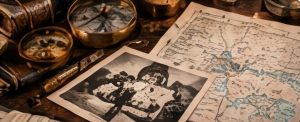
A single photograph can capture a moment that would otherwise disappear from memory. An old family portrait, an image of a historic building, or a photograph of a community celebration can reveal remarkable details about the people and places of the past.
Yet photographs alone rarely tell the complete story. Without names, dates, locations, and historical context, even the most meaningful image can gradually lose its significance. This is why preserving historical photography alongside written research and published narratives is so important.
Many families and communities possess collections of photographs that have been passed down through generations. These images may be stored in albums, boxes, or personal archives, often without complete descriptions. As time passes, the individuals who recognize the people and locations in these photographs may no longer be available to explain their significance.
Documenting this information is an essential part of historical preservation. Identifying individuals, recording locations, and researching the circumstances surrounding an image can transform an ordinary photograph into a valuable historical record.
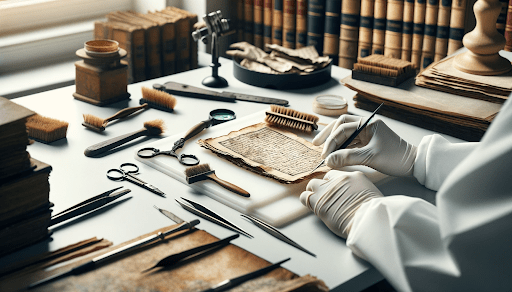
Photographic restoration can also contribute to preservation. Older prints may suffer from fading, scratches, discoloration, or physical deterioration. Careful restoration techniques can improve their visibility while retaining important original details. Digital copies can provide additional protection by reducing the need to handle fragile originals.
However, restoration should be approached responsibly. Historical photographs are records of real people and places, and excessive alterations can unintentionally change the information they communicate. Preserving an unaltered digital copy alongside any restored version helps maintain the integrity of the historical record.
Combining photographs with genealogical research adds another dimension to storytelling. A portrait of an ancestor becomes more meaningful when accompanied by information about that person’s family, occupation, community, and experiences. Similarly, photographs of churches, villages, schools, and homes can help illustrate how communities developed over time.
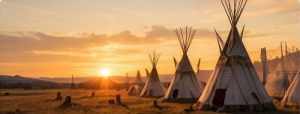
The histories of Ukrainian settlements, German-Russian communities, and other cultural groups connected to Canada’s development provide examples of how photographs and written records can complement one another. Images of traditional homes, religious buildings, agricultural activities, and community gatherings can offer insights into daily life that may not be fully captured in official documents.
Books provide an effective way to bring these materials together. A historical publication can organize photographs chronologically or thematically, include explanatory captions, and connect visual evidence with carefully researched narratives.
This approach creates a richer experience for readers. Rather than viewing photographs as isolated images, they can explore the relationships between individuals, places, traditions, and historical events.
Reuben Bauer’s emphasis on archival preservation, historical imagery, genealogical research, and publishing reflects the importance of protecting these connections. Through the thoughtful presentation of visual and written records, historical stories can remain accessible to families, communities, and future researchers.
Preserving historical materials also creates opportunities for education. Younger generations can discover how their ancestors lived, how communities changed, and how cultural traditions were maintained. Historical photographs can encourage curiosity and inspire further research into subjects that might otherwise remain unexplored.
For individuals considering a historical or family publication, the process can begin with something as simple as examining an old photograph. Recording what is known about the image, speaking with relatives, and investigating available documents may uncover an entire story waiting to be told.
Every photograph represents a moment in time, but its meaning can extend far beyond that moment. When historical imagery is combined with accurate research and thoughtful publishing, it becomes part of a lasting narrative.
Preserving the past is not only about protecting old materials. It is about ensuring that the people, places, and experiences represented within them continue to have a voice in the future.